
The Y23UV-98 Plus brings an appealing idea to a handheld radio: local two-way operation alongside broader listening options. If you want to explore shortwave without carrying another device, that combination deserves a closer look. The key is understanding which features receive signals, which transmit, and what the exact version you are buying supports.
This is a buying guide based on published product information, not a hands-on performance review. We have not independently measured output power, sensitivity, battery endurance or communication distance.
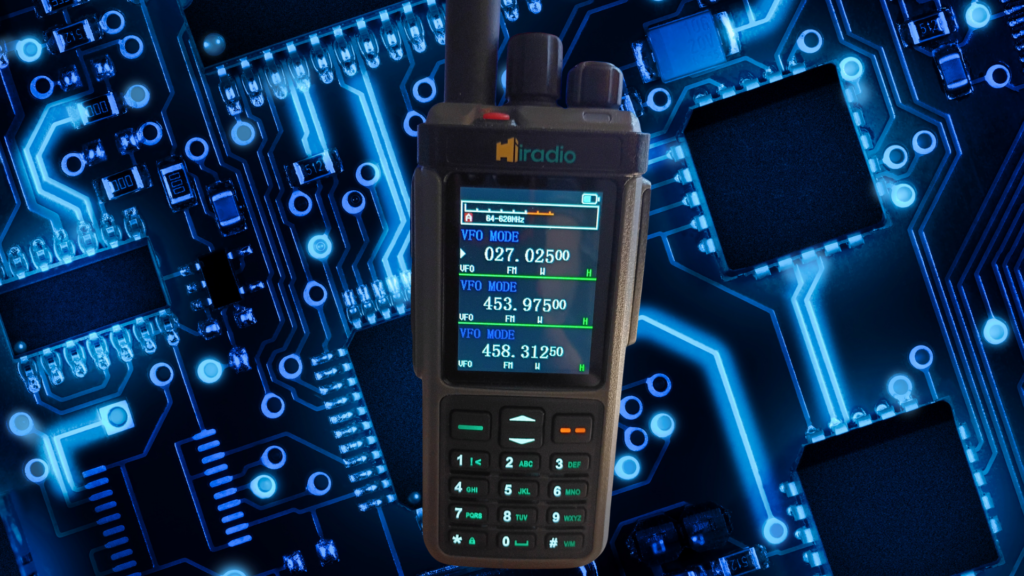
Y23UV-98 Plus Features: What the Listing Advertises
The linked Amazon listing advertises 10W output, 1024 channels, three VFO areas, cross-band repeating, a 2.4-inch color display and HF/CB/SSB reception. It also identifies a shortwave antenna bundle. Treat these as seller-listed features to verify for the selected variation, rather than independently tested results.

View the Y23UV-98 Plus on Amazon. Confirm the model name, included antennas, software support and return terms before ordering.
HF and SSB Reception Does Not Mean HF Transmission
A receiver lets you listen; a transmitter lets you send. A listing that mentions HF or SSB reception does not establish that the radio can transmit SSB on amateur shortwave bands. Avoid choosing this handheld on the assumption that it replaces an HF station for conversations across continents.
Ask for a clear receive-versus-transmit frequency chart and the operating modes available in each range. Check the manual for the exact unit and regional version. A broad tuning range alone is not enough information to decide whether it meets your needs.
Y23UV-98 Plus Shortwave Listening: Start with Your Goal
For casual exploration, the attraction is having more listening possibilities in one portable package. If broadcast listening is your main interest, compare tuning controls, antenna connections and ease of selecting modes against a purpose-built receiver. Our best budget shortwave radio guide explains several alternatives.
Try listening away from noisy chargers, computers and household electronics before deciding reception is poor. Match any external antenna to the relevant input and follow the equipment instructions. More wire is not automatically the best answer in every location. For scanner-specific troubleshooting, our police scanner antenna booster guide explains when amplification may help and when it can make reception worse.
Three VFO Areas and Channel Memories
Multiple frequency areas on a screen are useful for organizing a radio, but they do not by themselves prove that it has three independent receivers or can play three conversations at once. Ask how standby behaves when one channel becomes active and what happens to the other monitored frequencies.
Similarly, a large memory capacity is only useful when channels are organized. Begin with a small set of verified local frequencies and recognizable names. Save a backup before replacing a working configuration, and review a downloaded channel file before using it.
Cross-Band Repeating: Questions to Ask First
Cross-band repeating generally means receiving on one band and retransmitting on another. It differs from ordinary scanning or listening to two displayed frequencies. Before relying on an advertised repeater function, verify the exact supported band combinations, operating instructions and duty-cycle limits.
Do not assume it can bridge incompatible digital systems or public-safety networks. For a planned portable setup, test the actual equipment and path beforehand. A feature in a listing is not a guarantee that an emergency communication plan will work.
Programming, Firmware and Accessories
Model names and seller bundles can be confusing. Confirm the label on the radio, the firmware version and the source of its programming software before changing settings. Do not assume another radio’s cable or configuration file is compatible because the units look similar.
- Request the manual and programming instructions for the exact model.
- Check whether a compatible programming cable is included or sold separately.
- Confirm which antennas and charging accessories are supplied.
- Check replacement-battery availability and charging requirements.
- Ask the seller which features depend on a particular hardware or firmware version.
Avoid installing firmware intended for a different model. If programming software is essential to your purchase, confirm that it is available and compatible with your computer before ordering.
Important Limitations to Understand
Tone Codes Do Not Make Conversations Private
CTCSS and DCS control when a receiver opens its squelch. They do not encrypt your voice, stop another station from hearing you or prevent interference. Set the correct tones where required, but do not treat a tone setting as a privacy feature.
A Handheld Is Not Automatically a Digital Scanner
Frequency coverage does not establish compatibility with a digital voice mode or trunked radio network. Identify the system you want to monitor before buying. Likewise, verify GPS or APRS support for the selected version rather than assuming it is present from a shared product photograph.
Range and Battery Endurance Need Realistic Expectations
Your surroundings, antenna placement, operating pattern and the other station affect practical results. Do not plan around a fixed distance or guaranteed all-day runtime. If a particular route or property matters, test there and keep a backup communication method.
Who Should Consider the Y23UV-98 Plus?
This model is worth investigating if you enjoy exploring receiver features and are comfortable checking documentation and settings. A newcomer who mainly wants local FM contacts may prefer a more focused handheld. Compare our Yaesu FT-65R guide and beginner ham radio recommendations before choosing.
For another handheld format, see our Baofeng AR-152 buying guide. If you specifically need DMR, investigate a compatible model such as the AnyTone AT-D878UVII Plus instead of assuming multiband means digital.
Final Buying Checklist
- Separate receive capabilities from transmit capabilities.
- Verify the exact model, version and included accessories.
- Confirm software availability and the seller’s support arrangements.
- Check the features that matter to you in the supplied manual.
- Understand applicable operating requirements before transmitting.
The strongest reason to consider the Y23UV-98 Plus is the combination of features you actually want to explore. Choose it after verifying those features, not because of a promise that one handheld can replace every radio. Browse more options in our ham radio product category.
Product reference: the Y23UV-98 Plus Amazon listing. Specifications, available variations and package contents can change; confirm them with the seller before buying.