
The Baofeng AR-152 attracts attention with its tall battery pack and military-style appearance. But is it the right handheld for your first ham radio, a repeater setup or an outdoor kit? Start with the features you will actually use: manageable size, compatible accessories, straightforward programming and support for the frequencies you are authorized to use.
This buying guide separates advertised specifications from practical questions to ask before ordering. It is based on published product information and CHIRP documentation; we have not independently measured this radio’s output power, battery capacity or operating range.
Baofeng AR-152: Is It a Good Fit?
Consider this model if you specifically want its larger handheld format and are willing to check the exact bundle before buying. Choose by your intended use rather than the tactical styling. A radio that fits your hand, clips securely to your clothing and is easy to operate will be more useful than one chosen only for a large advertised power number.
If you are comparing your first handheld, start with our best beginner ham radio guide. It puts several options in context before you commit to one model.
Baofeng AR-152 Specifications: Check the Exact Listing
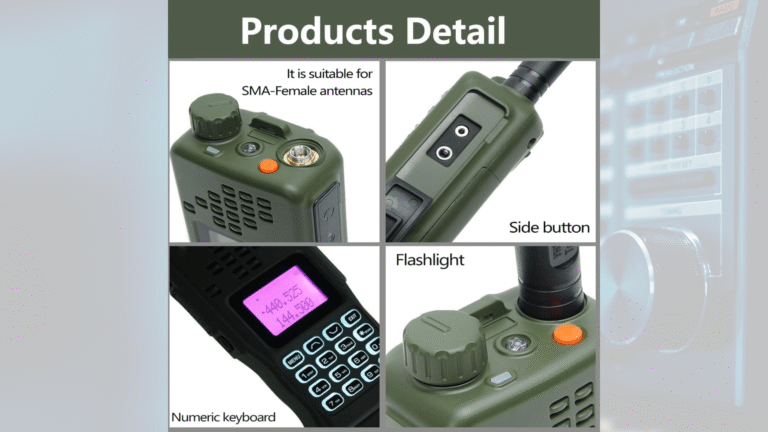
The linked Amazon listing identifies an AR-152 full set with two radios and advertises 10W output, a tactical antenna and a programming cable. Package contents and selected variations can change. Check the chosen quantity, included chargers and accessories on Amazon before ordering; a photo of several accessories does not establish what every option includes.

View the Baofeng AR-152 bundle on Amazon. Confirm the current seller, selected variation and return terms before purchasing.
Battery, Size and Everyday Carry
A large battery pack can be appealing when charging opportunities are limited, but capacity figures alone do not tell you how long a radio will run. Transmitting frequently, using higher power and keeping the receiver busy all affect endurance. Treat advertised runtime as a claim to evaluate rather than a promise of several days of use.
- Check the capacity printed on the supplied battery and the charging instructions for that exact pack.
- Confirm whether a replacement battery and compatible charger are readily available.
- Check the assembled dimensions and weight, including the antenna and battery.
- Think about where the radio will sit: a backpack pocket, belt clip or desk may suit different sizes.
For an outdoor kit, plan how you will recharge and protect the equipment. Do not assume military styling means an independently tested durability standard or a particular waterproof rating. Ask for the rating and supporting documentation if rain protection is essential.
Range: What Matters Beyond Advertised Watts
There is no single distance that every buyer will achieve. Buildings, hills, antenna placement and the location of the other station can matter more than an impressive number on the box. A path that works from an open hillside may fail between two radios inside buildings.
Before selecting a handheld for a specific route or property, identify the communication path you need and test it under realistic conditions. An accessible local repeater may change what is practical, but it must be programmed correctly and used under the applicable authorization. Avoid treating a handheld as a guaranteed emergency contact method.
Baofeng AR-152 Programming with CHIRP
The official CHIRP supported-radio list lists the AR-152 under Baofeng/Pofung and directs users to the UV-5R selection. Follow the current project guidance and confirm that your hardware matches the supported model before writing settings.
Save Your Original Settings Before Making Changes
- Install CHIRP from its official project website and follow its installation instructions.
- Use a compatible programming cable and the appropriate driver for that cable.
- Download from the radio first and save an untouched backup of its original configuration.
- Enter the intended channel frequencies, repeater offsets and access tones carefully. Verify them against a current local source.
- Review the settings before uploading, then check operation with a properly configured, authorized station.
Do not upload an unknown configuration simply because the file mentions the same brand. Start from a download from your own radio, and keep your backup somewhere you can find it again. If a connection fails, check the cable seating, port selection and current CHIRP guidance before trying another radio profile.
Important Questions Before You Buy
Does It Receive Weather Alerts?
Do not assume that receiving a weather broadcast also means the radio automatically monitors and sounds an alert. Those are different capabilities. If automatic weather alerts are important, verify that exact feature in the documentation for the unit you are buying, or choose equipment expressly designed for the job.
Can It Replace a Digital Radio or Scanner?
Check the operating mode your group actually uses before purchasing. A handheld’s appearance or frequency coverage does not establish compatibility with a particular digital network. If you need DMR, compare a purpose-built option such as the AnyTone AT-D878UVII Plus and verify its suitability for your local system.
Is It the Best Choice for a Beginner?
It may suit someone who already wants this format, but beginners should also compare controls, documentation, replacement parts and dealer support. Our Yaesu FT-65R guide offers another handheld to investigate. If your goal is listening to distant broadcasts rather than two-way operation, see our budget shortwave radio guide instead.
Buying Checklist and Final Recommendation
The Baofeng AR-152 deserves consideration when its size and package suit your needs. The strongest reason to buy is a clear match between the radio and your intended use, backed by documentation you can check. Its styling alone is not evidence of superior reception, durability or reliability.
- Confirm the exact model, number of radios and accessories in the selected bundle.
- Check programming support, replacement batteries and charging requirements.
- Verify any essential water-resistance, weather-alert or digital-mode feature in the actual documentation.
- Review the seller’s support and return arrangements.
- Check local licensing and operating requirements before transmitting.
Choose the handheld you can comfortably carry, program and maintain. For more comparisons, browse our beginner handheld recommendations or explore the ham radio product category.